

Farmington Plantation in Louisville, Kentucky, is a historic estate built in the early nineteenth century and connected with a prominent local family. The plantation explains who owned the land, what architectural style was used, where economic activities took place, and how social relations were organized on the property.
History and Architecture of Farmington Plantation
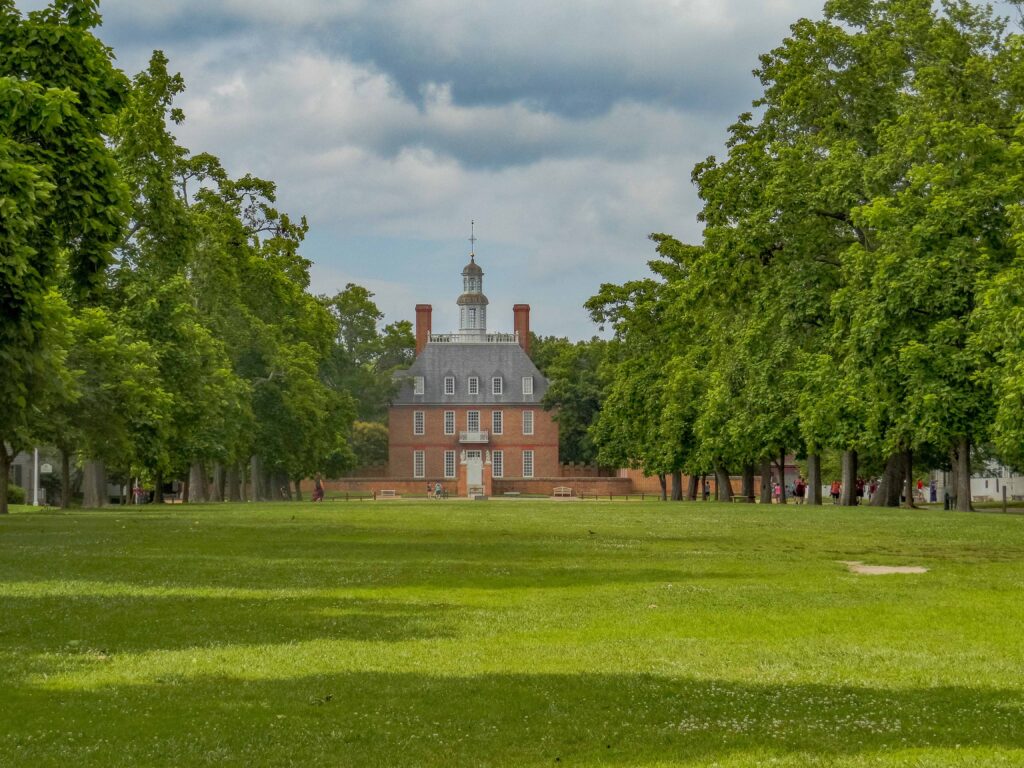
The house was constructed in Federal style and shows symmetry and classical influence. A large central building stands on open land once used for agriculture.
Main historical characteristics:
- Brick mansion with balanced façade
- Surrounding farmland areas
- Family cemetery located on grounds
The estate belonged to an influential family engaged in politics and business. Records describe agricultural production and management systems. Architecture reflects the ambition and economic power of owners.
Social Structure of Plantation
Plantation life included a complex hierarchy. Enslaved labor played a role in maintenance and farming operations. Interpretation today acknowledges this history in a factual tone.
Preservation and Public Interpretation
Farmington Plantation is preserved as an educational heritage site. Restoration efforts aimed to maintain original design and structural details.
Visitors can explore:
- Interior rooms furnished in period style
- Informational exhibits about family history
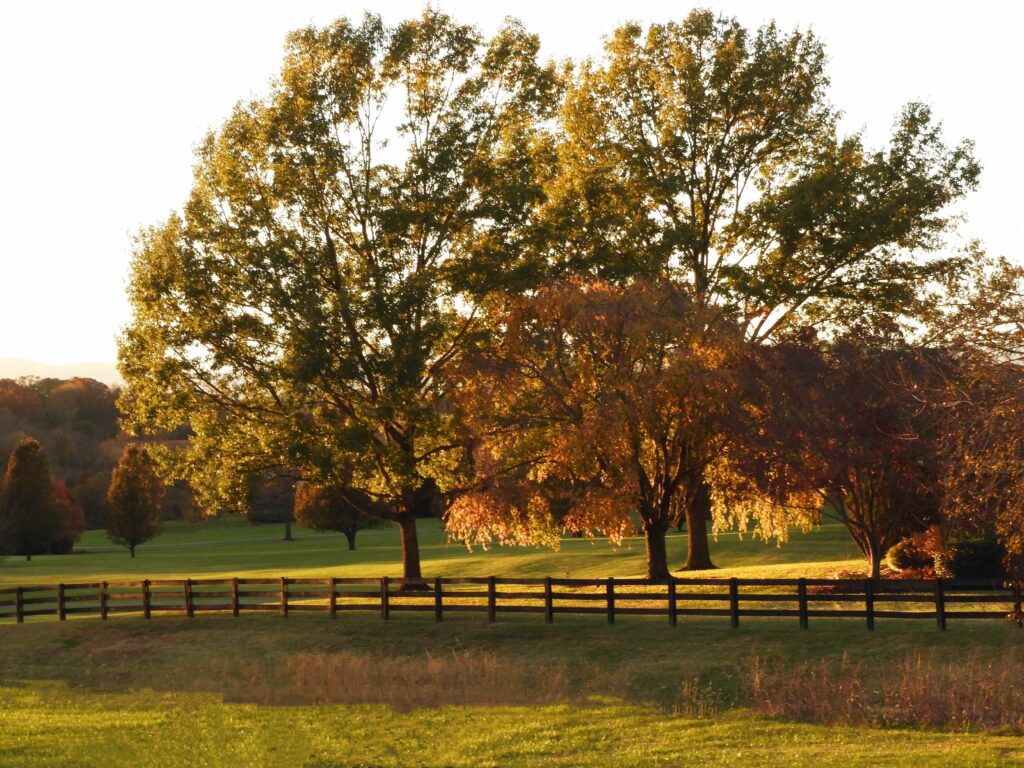
- Outdoor paths around the main building
Guided tours provide chronological explanations of estate development. Exhibits address both the architectural value and the social realities of the period. Attention is given to economic networks connected with the Louisville region.
Farmington Plantation serves as a reference point for the study of early Kentucky elite households. By conserving buildings and documents, the site presents structured knowledge about domestic life, the regional economy, and the historical transformation of the plantation system in the nineteenth–century American border state context.