
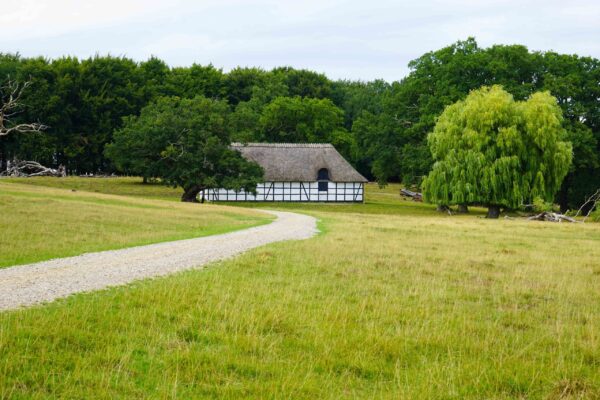
Lincoln Homestead State Park in Kentucky protects land connected with ancestors of Abraham Lincoln and shows how pioneer families lived in the frontier period. The park explains who settled here, what buildings survived, where family members were buried, and how this site became a protected area.
History of Lincoln Homestead State Park
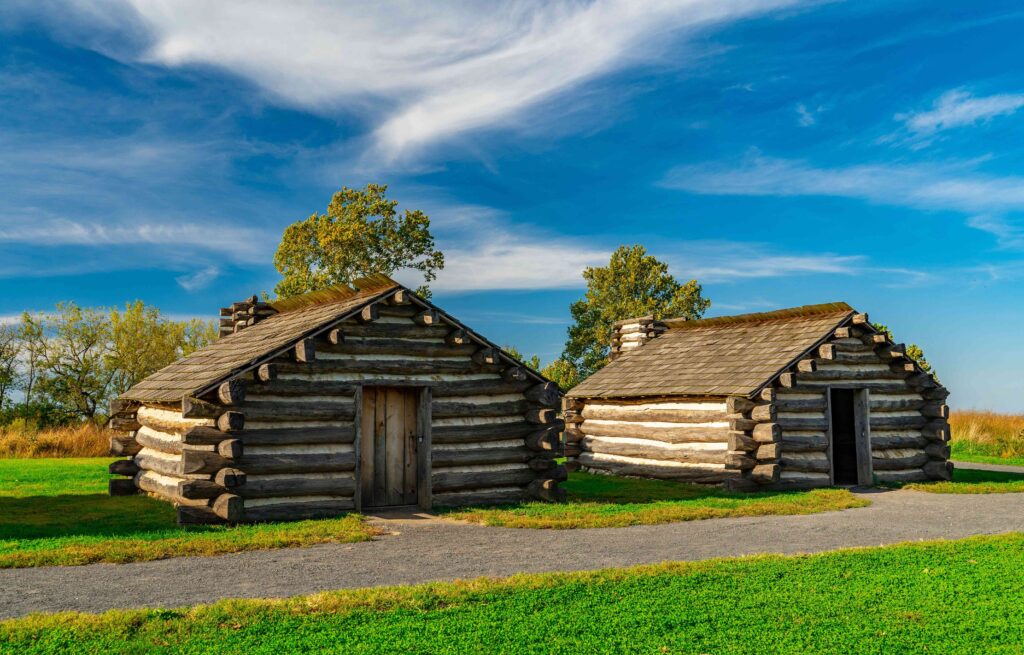
The land once belonged to relatives of the Lincoln family in the eighteenth century. Later, state authorities preserved the territory as a historical park. Central objects include reconstructed cabins and the cemetery area.
Key historical elements are
- Cabins representing early settler architecture
- Family cemetery with marked graves
- Open landscape typical for pioneer farming
Interpretive panels describe migration patterns and economic conditions of time. The park demonstrates the daily routine of frontier settlers. Agriculture, manual labor, and community ties were important parts of life.
Landscape and Preservation
Natural scenery around the park remains similar to earlier centuries. Rolling fields and trees create a historical atmosphere. Preservation efforts focus on the authenticity of buildings and grounds.
Visitor Experience and Educational Features
Visitors can walk between structures and read informational boards. The park offers structured explanation rather than amusement activities.
Main features for visitors:
- Self–guided trails across historical areas
- Picnic spaces in designated zones
- Seasonal demonstrations of pioneer skills
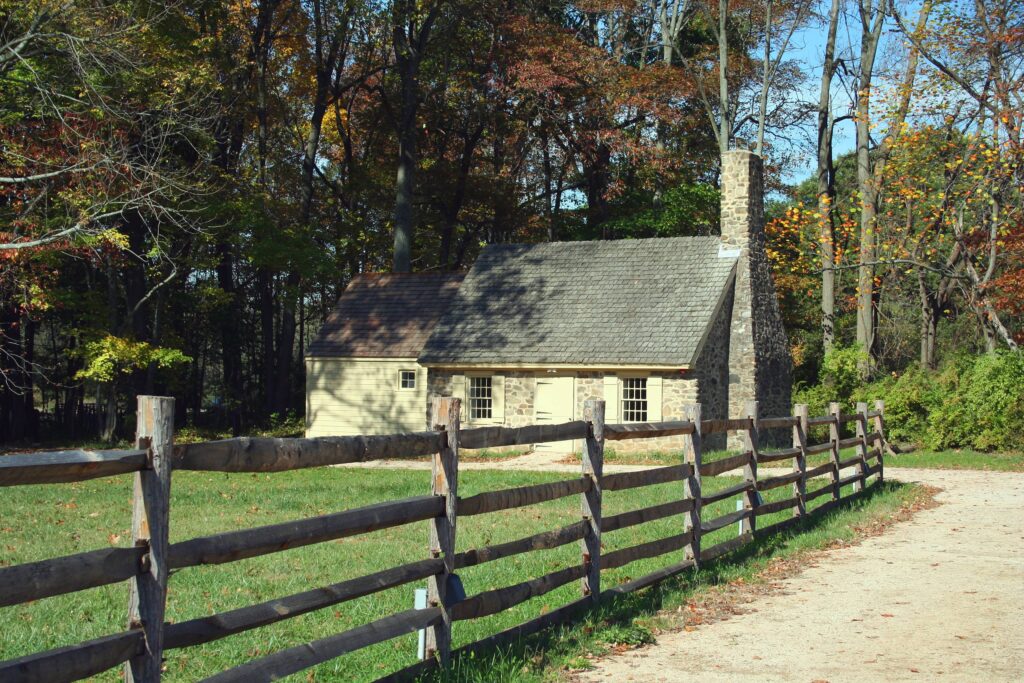
The cemetery area gives strong emotional context. It reminds us about family roots connected to larger national history. The cabins show simple construction methods and limited resources of settlers.
Lincoln Homestead State Park works like a place for learning history. It shows how Lincoln’s family ancestors lived. With old buildings and land, the park tells the story of early Kentucky people in a simple and true way for visitors and students.