

The Henry Clay House in Lexington, Kentucky, was the home of American statesman Henry Clay and today stands as a preserved historic estate. The property explains who Clay was, what political role he played, where he lived with family, and how his residence reflects nineteenth–century society.
Architectural and Historical Context of Henry Clay House
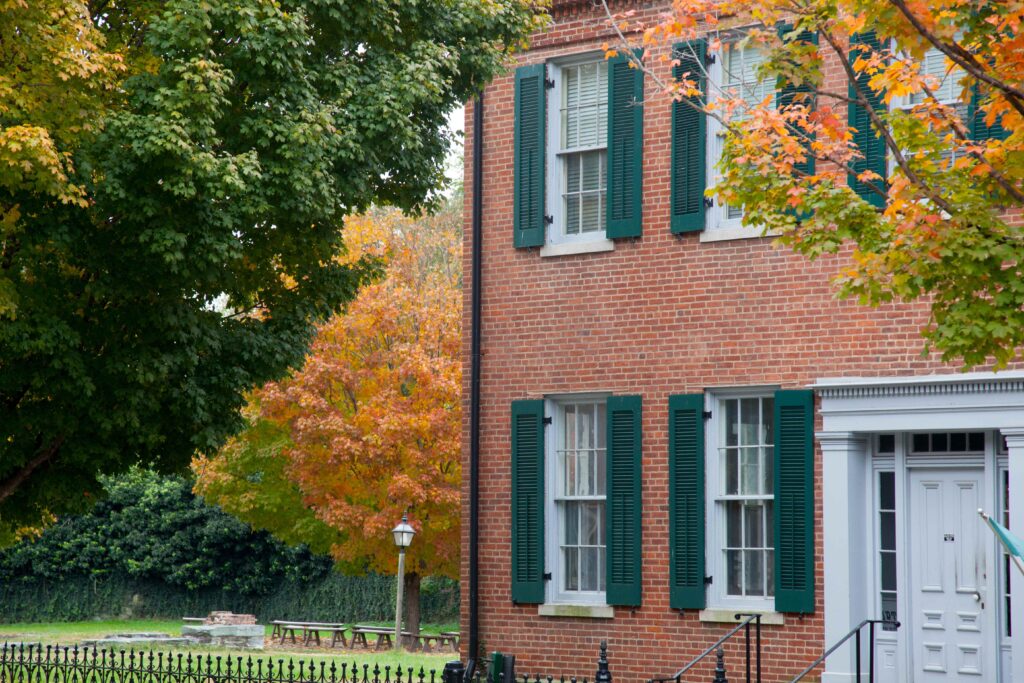
The estate, also known as Ashland, shows the style of period architecture. Large brick structure, columns, and surrounding gardens represent the wealth and influence of the owner.
Important aspects include:
- Main residence with furnished rooms
- Formal gardens arranged around the house
- Outbuildings connected with estate life
Interiors contain period furniture and decorative objects. Rooms are arranged to represent domestic and political functions. Clay used the house as a private residence and as a place for discussions.
Political Significance
Henry Clay was a prominent political figure in early United States history. His house became a symbol of his public career. Exhibits explain legislative debates and compromises associated with his name.
Visitor Access and Interpretation
Today the site works as a museum open for educational visits. Guides explain structure and biography in chronological format.
Visitors may observe:
- Dining room used for receptions
- Study connected with political writing
- Garden paths designed for formal walks

Interpretation focuses on balanced historical presentation. It does not romanticize the period but shows complexity, including the social hierarchy of time. Panels describe the economic system and labor connected with the estate.
Henry Clay House stands as a cultural monument in Kentucky. It connects architectural heritage with the biography of an influential statesman. Through preserved rooms and landscape, the site provides a structured understanding of political and domestic life in the nineteenth–century American South and the border region context.