
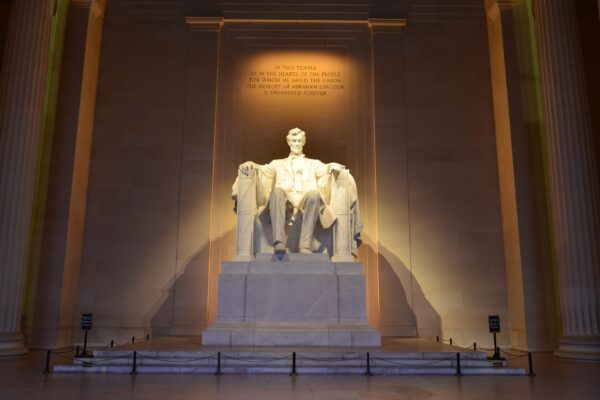
The Lincoln Legacy Museum in Kentucky tells the story of Abraham Lincoln, his early years, and the memory preserved in the region. The museum was created to explain who he was, what shaped him, where he lived as a child, and why Kentucky keeps a connection with his legacy.
Historical Background of the Lincoln Legacy Museum
The museum stands near areas connected with Lincoln family history. It collects documents, photographs, and objects that show life in the early nineteenth-century frontier. Visitors learn about:
- Childhood environment of Abraham Lincoln
- Migration of the Lincoln family inside Kentucky
- Social and political climate of that period
Exhibitions explain how rural life influenced his later views. The displays are arranged in chronological order. Many panels give short explanations with dates and simple maps. Some sections focus on memory culture and how later generations remembered him.
Educational Role
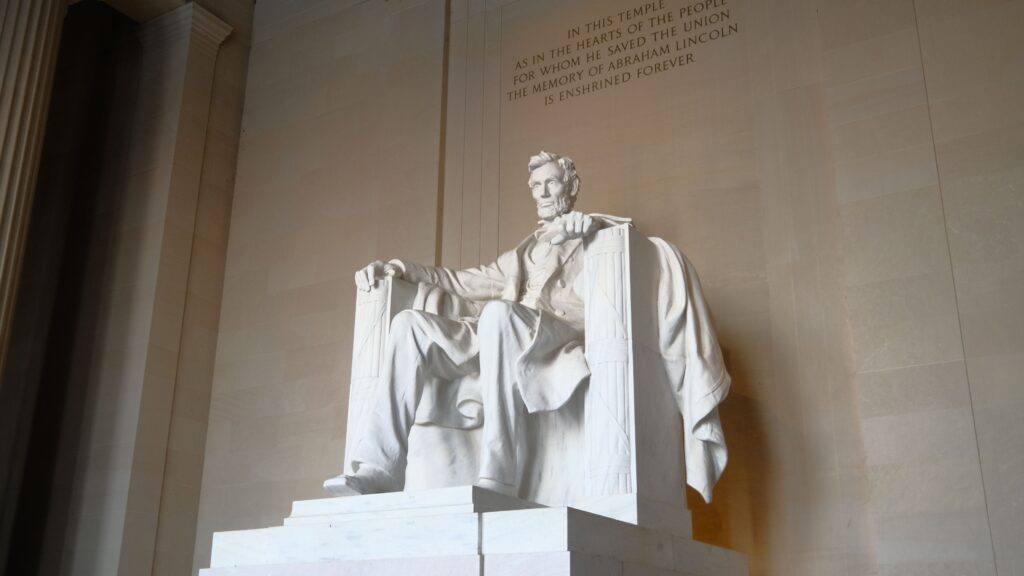
The museum also serves schools and researchers. It provides guided interpretation and historical context. Programs often include lectures and small workshops.
Exhibits and Visitor Information
Inside the building there are permanent and temporary exhibitions. Main collections include:
- Archival copies of letters and family records
- Period furniture and tools
- Interpretive boards about early American politics
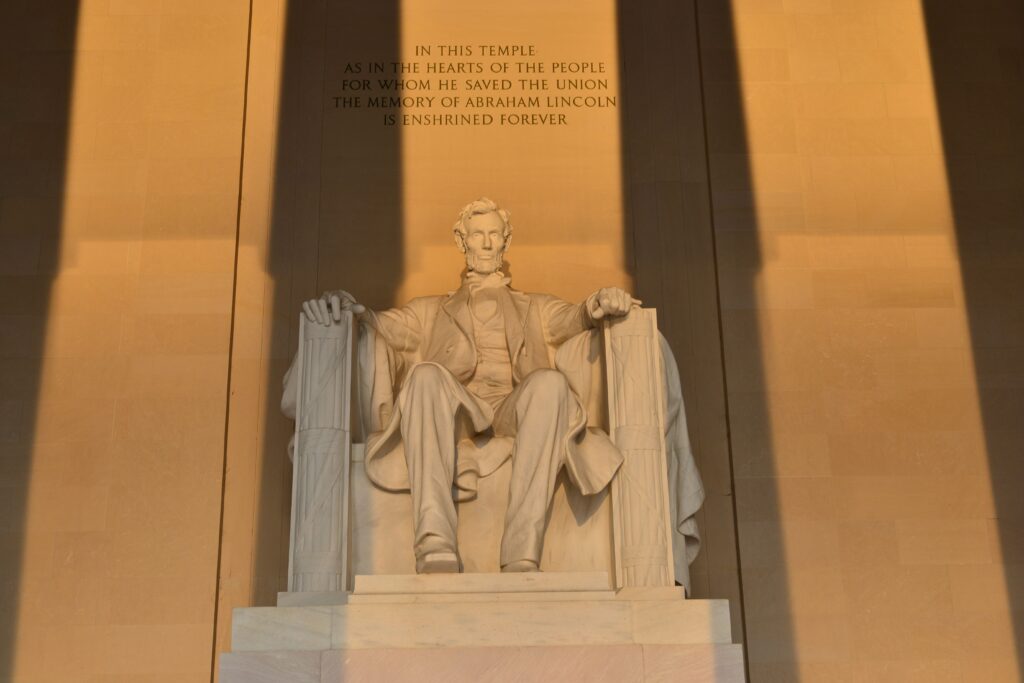
The museum space is moderate in size but organized clearly. Each room highlights a different stage of Lincoln’s life. Lighting is soft and the atmosphere calm. Visitors usually spend one to two hours exploring.
The institution works as a historical reference point for the region. It does not present an entertainment focus but an educational mission. By preserving materials and explaining background, the Lincoln Legacy Museum helps understand the beginnings of the future president and local Kentucky history in a structured, accessible way for public readers and visitors alike.